A Japanese Tradition Shaped by Hospitality and Respect
The Japanese Green Tea ceremony is a traditional cultural practice in which a host prepares and serves matcha to guests. Sen no Rikyu brought it to maturity during the Azuchi–Momoyama period in the 16th century. His descendants later established the Omotesenke, Urasenke, and Mushakoji Senke schools, carrying on his approach. Many other schools with their own distinct traditions emerged in subsequent periods.

An essential part of life in Japan, Japanese Green Tea is deeply rooted in everyday culture. It embodies the Japanese spirit of hospitality and the pursuit of inner harmony.
This initiative offers visitors to Japan an opportunity to discover the rich history, appeal, and essence of Japanese Green Tea, bringing them closer to Japanese culture. By introducing Japan through tea, we hope to deepen their interests in the country and inspire them to return. We offer experiences of traditional culture that will stay with them long after they go home.
「茶」の精神性に触れる体験を
日本人の生活に欠かせない「茶」は、もてなしの精神や心の調和という日本人の精神を体現する文化の一つとして日常生活に深く根付いてきました。
本事業は、訪日外国人に「茶」の奥深い歴史や魅力、精神性を知る機会を創出し、より深く日本文化に触れていただくものです。「茶」を入り口に日本への関心をさらに高め、再び訪日する動機を創り出す――。帰国後も心に残る、伝統文化の体験をお届けします。
Discover the Richness of Japanese Green Tea and Tea Culture
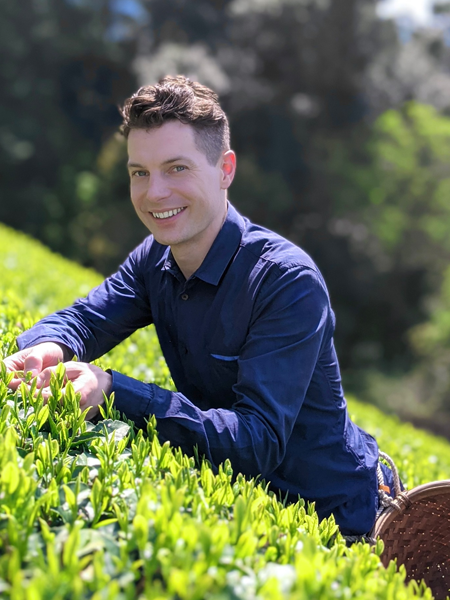
Per Oscar Brekell
I wanted to learn more about the Japanese Green Tea I loved so much. That desire led me to study Japanese and move to Japan from my home in Sweden. Today, I travel around the world, hosting Japanese Green Tea gatherings and classes to share the appeal of Japanese Green Tea with more people.
Yet when I first tried Japanese Green Tea in Sweden at the age of 18, I did not know how to brew it and did not find it particularly enjoyable. Through trial and error, I came to love its natural aromas, reminiscent of mountains and forests, and its clean finish.
Japanese Green Tea has a remarkable ability to bring people together. Anyone can enjoy it, regardless of age, gender, nationality, or religion. I invite you to explore its rich world alongside the cultures associated with it, including Japanese Green Tea rooms, flower arranging, calligraphy, ceramics, and Japanese sweets.
PROFILE
Born in Sweden in 1985. After studying and working in Japan, Per Oscar Brekell qualified as a Japanese Green Tea Instructor and became the first non-Japanese person to earn an assistant instructor qualification in Japanese Green Tea hand-rolling. In 2020, he founded the Japanese Green Tea brand SENCHAISM. He promotes Japanese Green Tea through seminars and numerous media appearances.
日本茶・茶の文化の奥深さに触れる
愛してやまない日本茶をもっと深く知りたい――その思いから日本語を学び、遥かスウェーデンから日本へ移住してきました。今では日本茶の魅力をもっと多くの方に知っていただくため、世界各地を飛び回りながら、お茶会や講座などを開催しています。
そんな私でも実は初めて母国で日本茶を飲んだ18歳の頃には、淹れ方がわからずにおいしいと思えませんでした。試行錯誤するうち、山々や森林を思わせるような自然の香りやすっきりとした後味のとりこになりました。
日本茶は、人と人とをつなぐ不思議な飲み物です。年齢、性別、国籍、宗教などを問わず誰でも楽しめます。建築や生け花・書道・焼き物・和菓子などの日本茶にまつわる文化とともに、奥深い世界を味わってください。
PROFILE
1985年スウェーデン生まれ。日本への留学、就職を経て、日本茶インストラクター、外国人初の日本茶手揉み教師補の資格を取得。2020年日本茶ブランド「SENCHAISM」設立。日本茶の普及を目指し、セミナー開催、メディア出演多数。
Japanese Green Tea Ceremony
茶道
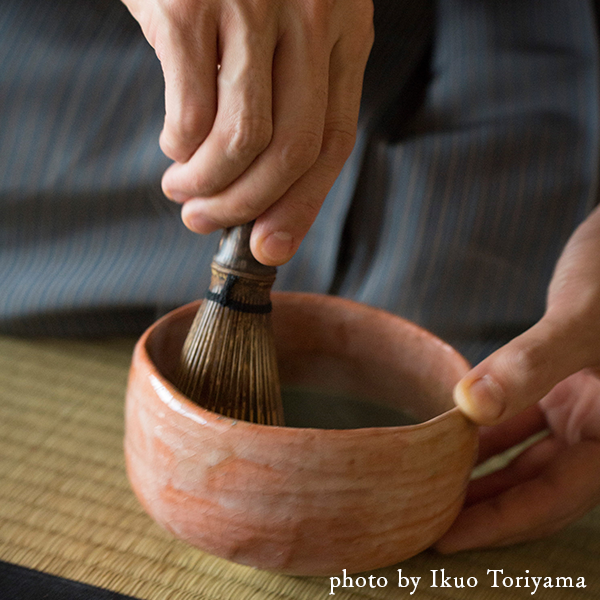
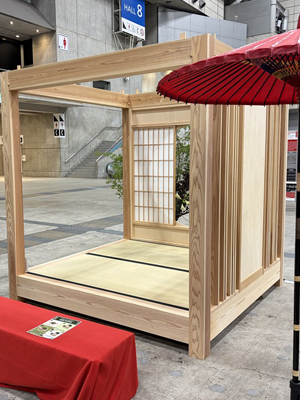
Also known as chanoyu, the Japanese Green Tea ceremony is about more than drinking matcha. It values hospitality, respect for others, and finding inner calm in a quiet setting. Although practical, many of the utensils also express Japanese aesthetics and a sensitivity to the seasons. The host prepares the Japanese Green Tea room for the guests, thoughtfully selecting seasonal flowers, a hanging scroll, and a combination of utensils suited to the season and the occasion. In appreciation of this care, guests quietly enjoy the setting, taking in the seasonal references and aesthetic qualities of the flowers, scroll, and utensils.
To help the host and guests appreciate this once-in-a-lifetime encounter, each movement follows particular conventions, from preparing the Japanese Green Tea (temae) to drinking it, sitting, and bowing.
もてなしと敬う心で育まれた日本の伝統文化
茶道とは、亭主が客人に抹茶を点てて振る舞う日本の伝統文化です。安土桃山時代(16世紀)に千利休が大成させ、後に利休の子孫が「表千家」「裏千家」「武者小路千家」を興し、流派として利休の流儀を継承してきたのをはじめ、後の時代には流儀の異なる、数多くの茶道の流派が生まれました。
茶道では、ただ抹茶を飲むだけでなく、おもてなしの心と相手への敬意、静かな空間で心を整えることが大切にされ、「茶の湯」とも呼ばれます。用いる道具は実用的でありながらも日本の季節感や美意識を表したものが多く、亭主は客人のために季節の花や掛け軸などとともに、季節や客に応じて道具の組み合わせに工夫こらすなどして茶室を整えます。客人も亭主の心遣いに感謝し、花や掛け軸、道具に現れる季節や美意識に心を寄せながら、静かにその場を楽しみます。
また、亭主と客が一期一会の交わりを楽しむため、お茶の点て方(点前)や、いただき方、座り方、礼の仕方など一つひとつの所作に様々な作法があります。
Sencha-do
煎茶道
Enjoying Japanese Green Tea Freely
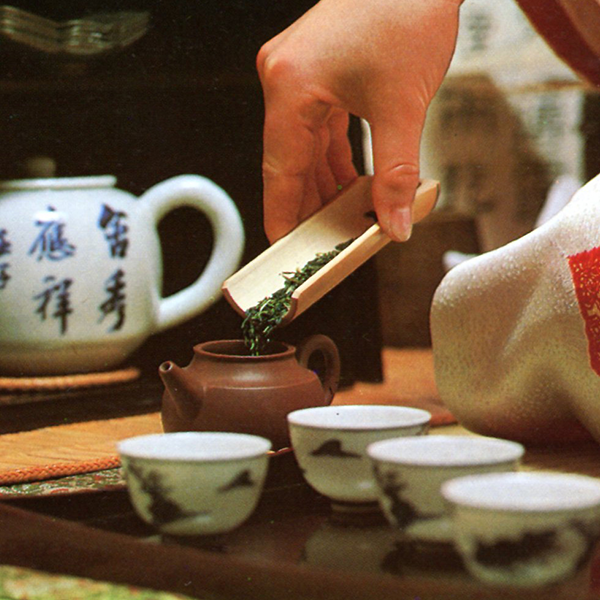
In chanoyu, matcha is prepared by adding hot water to powdered Japanese Green Tea and whisking it with a bamboo whisk. Sencha-do, by contrast, celebrates the aroma and flavor of sencha, made by steeping Japanese Green Tea leaves in hot water in a teapot.
In chanoyu, matcha is prepared by adding hot water to powdered Japanese Green Tea and whisking it with a bamboo whisk. Sencha-do, by contrast, celebrates the aroma and flavor of sencha, made by steeping Japanese Green Tea leaves in hot water in a teapot.
The practice of brewing sencha in a teapot was brought from China in the early Edo period by Ingen, the founder of the Obaku school of Zen Buddhism in Japan. Baisao, an Obaku monk of the mid-Edo period, is credited with popularizing it. At a time when drinking sencha was reserved for the upper classes, he set up Japanese Green Tea stands in town and served people regardless of social status. His free-spirited approach,
unrestricted by formalities, won the support of writers and artists and eventually spread among ordinary people.
Baisao’s spirit of setting aside rigid formality and valuing a natural approach was passed down to later generations. Numerous schools of sencha practice emerged, eventually establishing sencha-do as a tradition in its own right.
形式にとらわれない自由な精神
粉末状の茶に湯を注ぎ、茶筅で攪拌した抹茶を楽しむ茶道(茶の湯)に対し、急須に茶葉を入れて湯を注いで抽出した茶である煎茶の香りや味わいを楽しむのが煎茶道です。
急須で煎茶を淹れるという文化は、江戸時代の初期、黄檗宗の開祖・隠元大師によって中国からもたらされました。それを広めたとされるのは、江戸中期の黄檗僧・売茶翁です。当時、煎茶を飲む文化は上流階級だけのものでしたが、売茶翁は町中に席を設け、身分を問わず振る舞いました。形式にとらわれず、自由な精神を重んじる売茶翁のスタイルは、文人墨客から支持を受け、やがて庶民にも浸透しました。
堅苦しさを廃し、自然体を大切にする売茶翁の精神。それは後世にも引き継がれていき、数多くの煎茶の流派も誕生し、やがて煎茶道として確立しました。
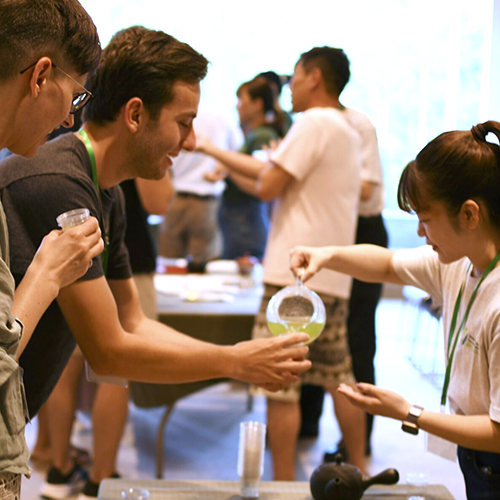
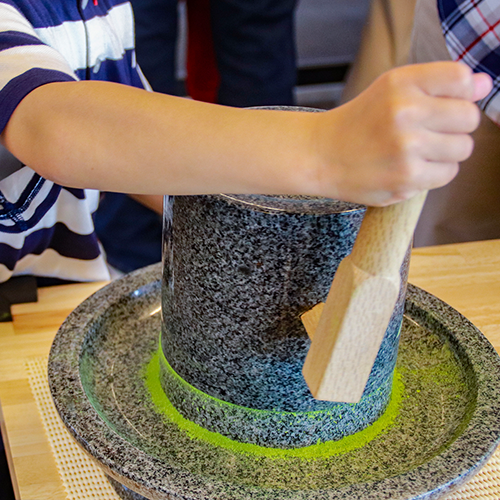
On October 3 and 10, 2026, authentic hands-on experiences were held at the Mushakoji Senke Kankyuan Japanese Green Tea ceremony center and The Ogawa School Sencha Japanese Green Tea Ceremony Ogawa Korakudo.

Stage ProgramFree Admission
MONDAY, NOVEMBER 23, 2026 (PUBLIC HOLIDAY)
10:30 A.M. - 5:00 P.M.
KANSAI AIRPORT, SOUTH PLAZA, 1 SENSHUKUKOKITA, IZUMISANO, OSAKA 549-0001, JAPAN (MAP)
10:30 a.m.
Opening Ceremony
10:35 - 11:00 a.m.
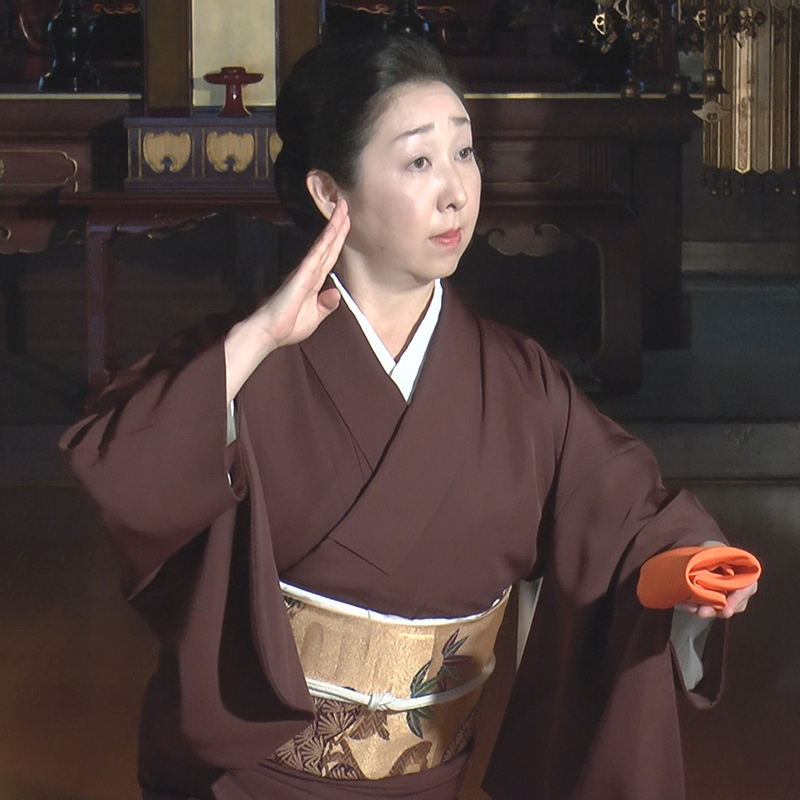
Japanese Classical Dance
Jiuta(Traditional Japanese Song)Cha Ondo
Cha Ondo (also known as Chanoyu Ondo) is a Kyoto-style tegoto-mono jiuta, a traditional Japanese song featuring instrumental interludes. It was composed by Kikuoka Kengyo, a musician active in Kyoto during the late Edo period, and arranged by Yaezaki Kengyo. This elegant, technically sophisticated work uses many terms from the tea ceremony to express the affection between a man and a woman.
11:05 a.m. - 12:05 p.m.
Talk show
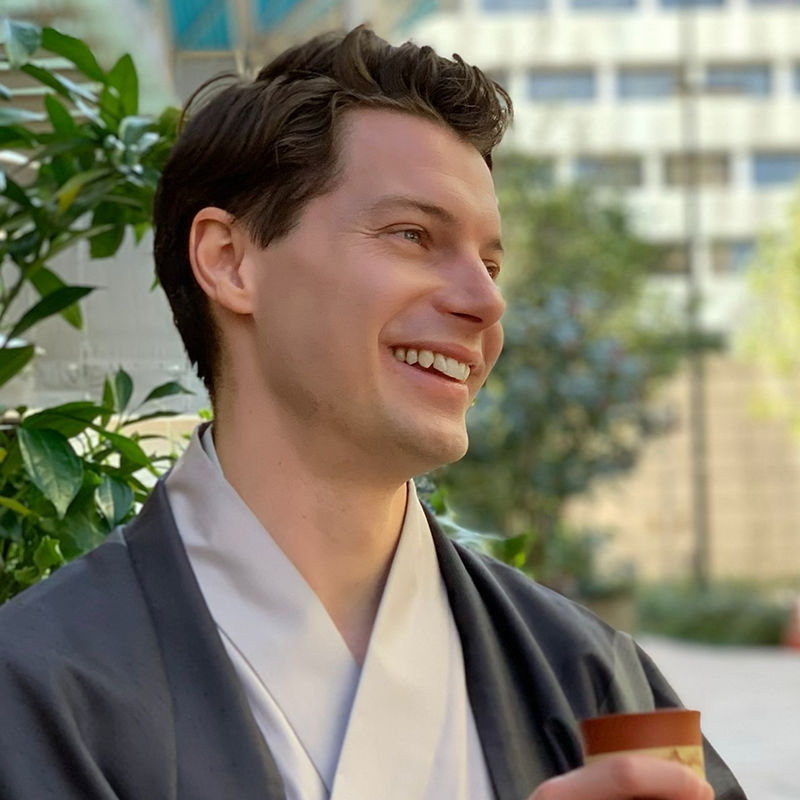
Oscar and Simona, who share Japanese Green Tea with audiences around the world, discuss how they first discovered Japanese Green Tea, the cultural differences they encountered after coming to Japan, and Japanese Green Tea around the world.


From 12:05 p.m.
Introduction
12:05 - 12:55 p.m.
NOSS Exercise
Q & A Session on Japanese Dance, Japanese Green Tea, and Health
Q & A Session on Japanese Dance, Japanese Green Tea, and Health
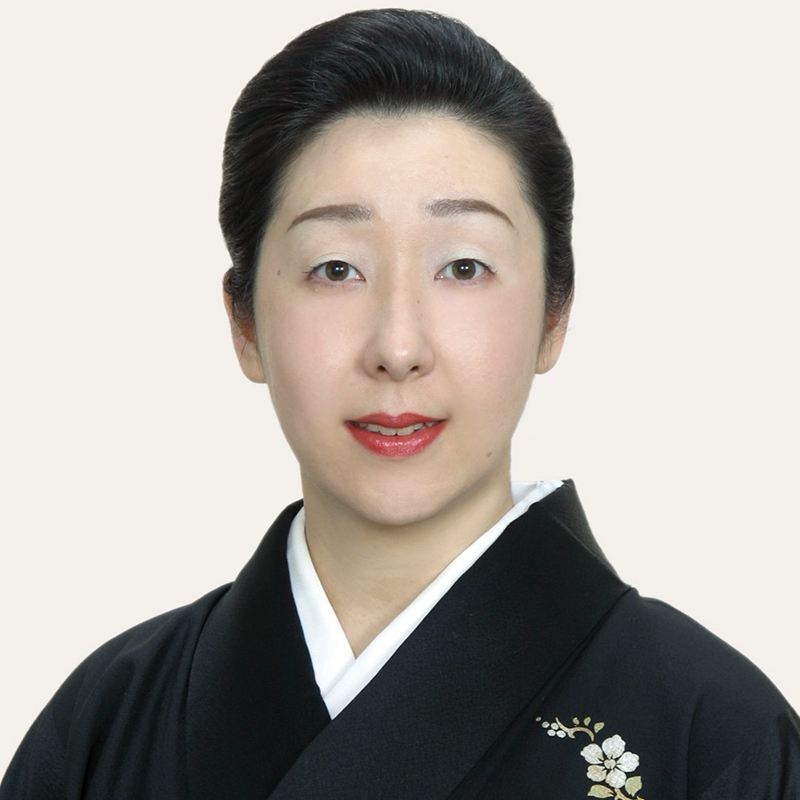
Join us for NOSS, an exercise program based on the distinctive movements of Japanese classical dance that people of all ages can enjoy while seated in a chair. The session also includes an engaging conversation about Japanese Green Tea and Japanese dance.
12:55 - 1:00 p.m.
Introduction
1:00 - 5:00 p.m.
Japanese Green Tea Conference
Innovator Introduction
1:25 - 1:30 p.m.
1:25 - 1:30 p.m.


Break
2:35 - 2:50 p.m.
2:35 - 2:50 p.m.
Catalyst Introduction
2:50 - 2:55 p.m.
2:50 - 2:55 p.m.


4:50 - 5:00 p.m.
Group Photo
Master of Ceremonies
Exhibition ProgramFree Admission
Monday, November 23, 2026 (public holiday)
10:30 A.M. - 5:00 P.M.
Tuesday, November 24–Friday, November 27, 2026
11:00 a.m.–4:00 p.m.
KANSAI AIRPORT, SOUTH PLAZA, 1 SENSHUKUKOKITA, IZUMISANO, OSAKA 549-0001, JAPAN (MAP)


Fiscal Year 2026 Project to Develop Authentic Cultural Experiences Drawing on Life Culture
Organizer:Agency for Cultural Affairs, Government of Japan
Planning and Operations:Osaka Yomiuri Service
